Our story.
It started with a view.
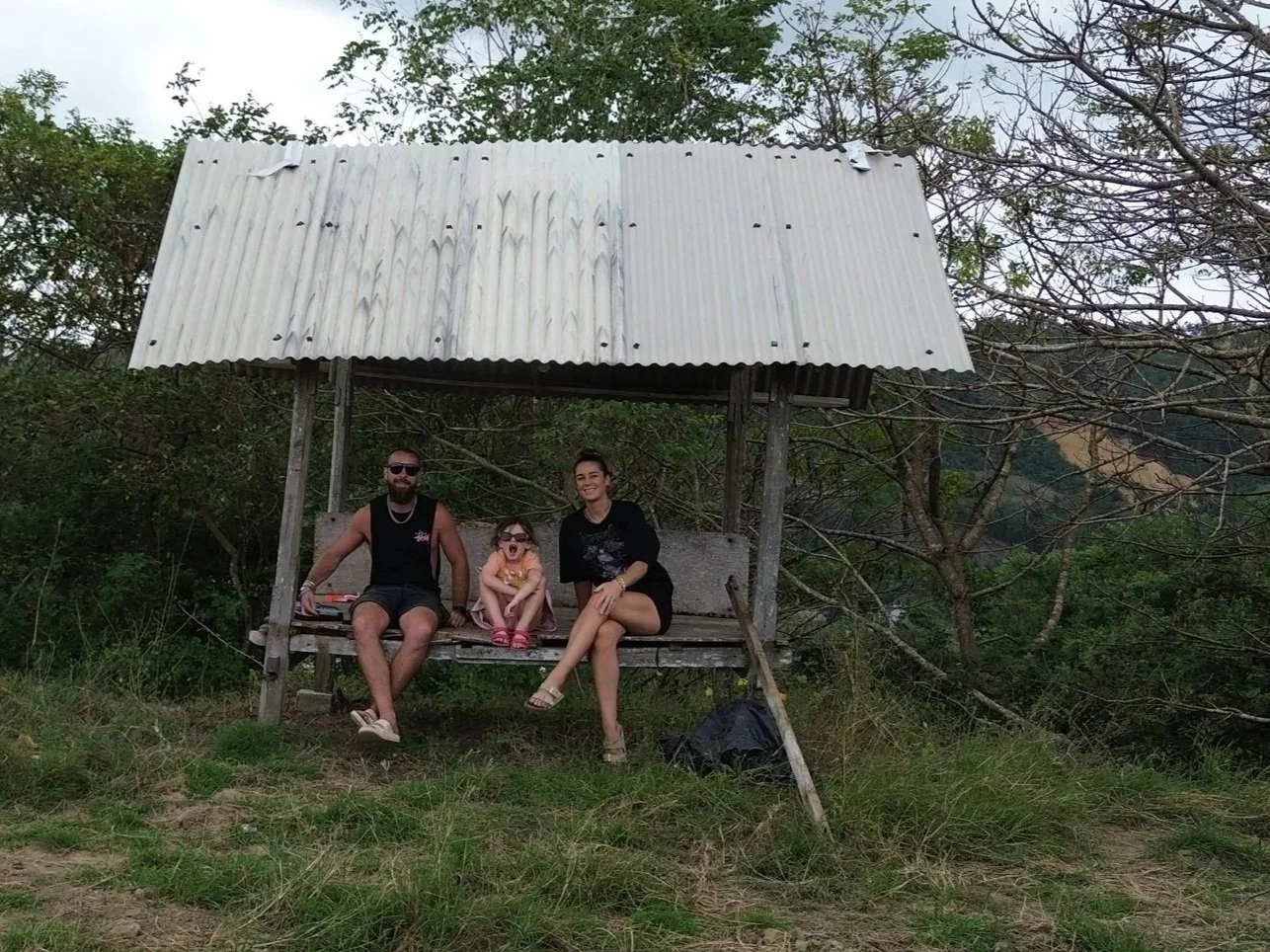
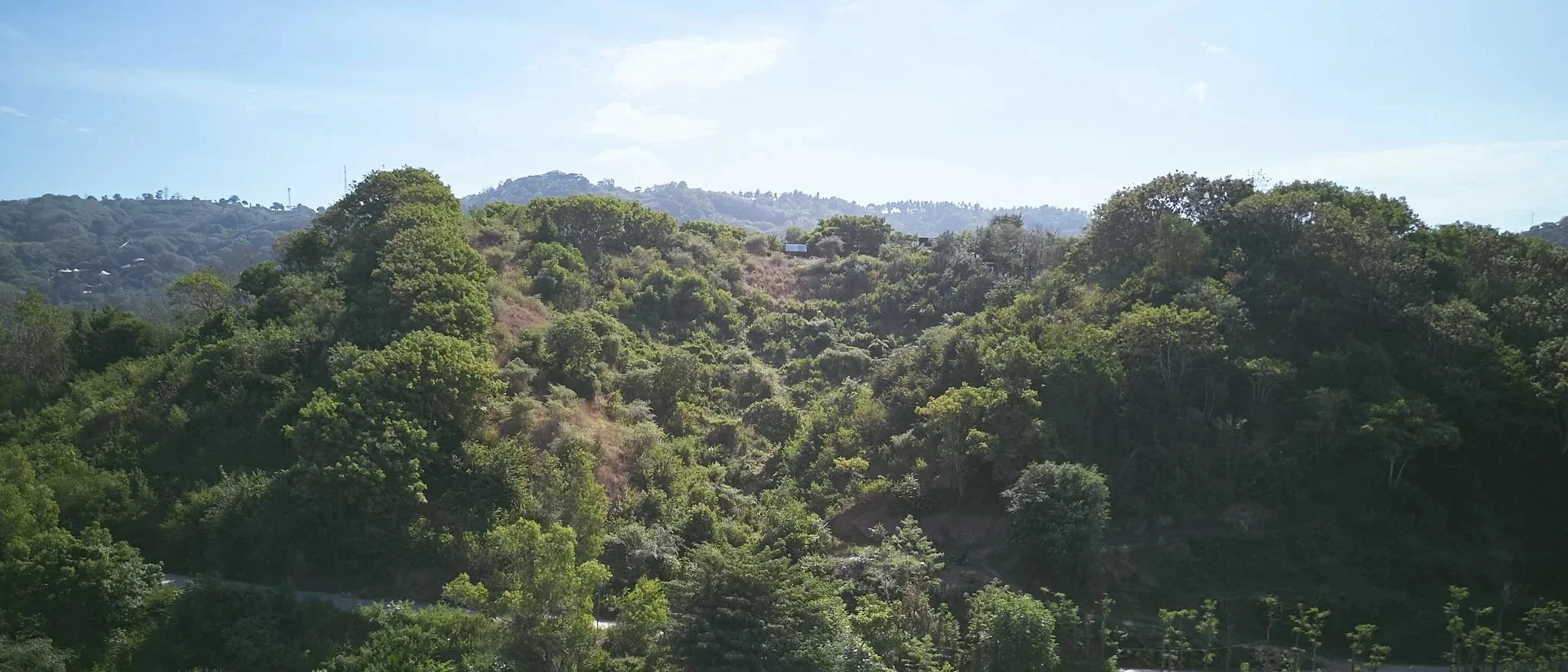
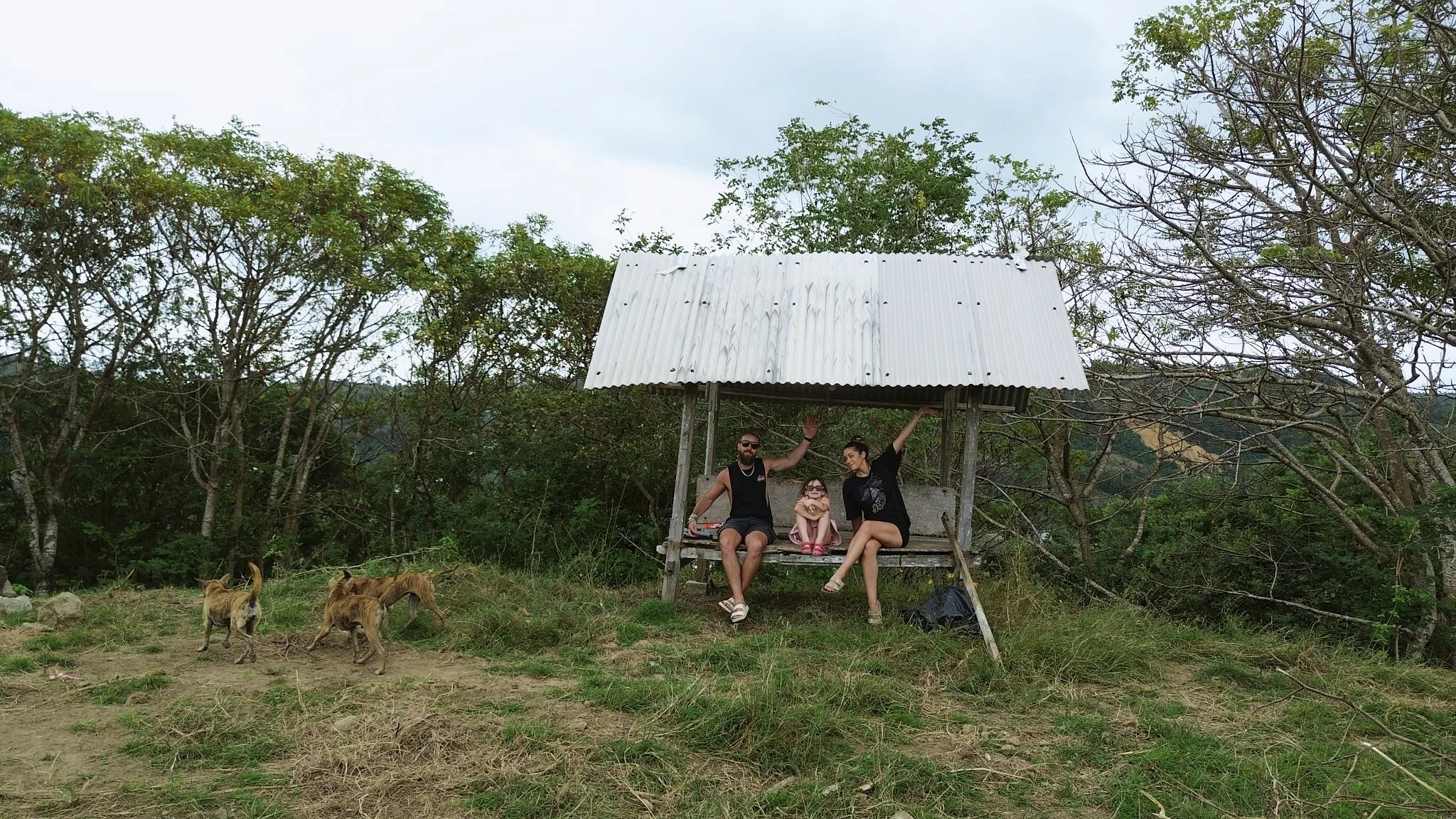
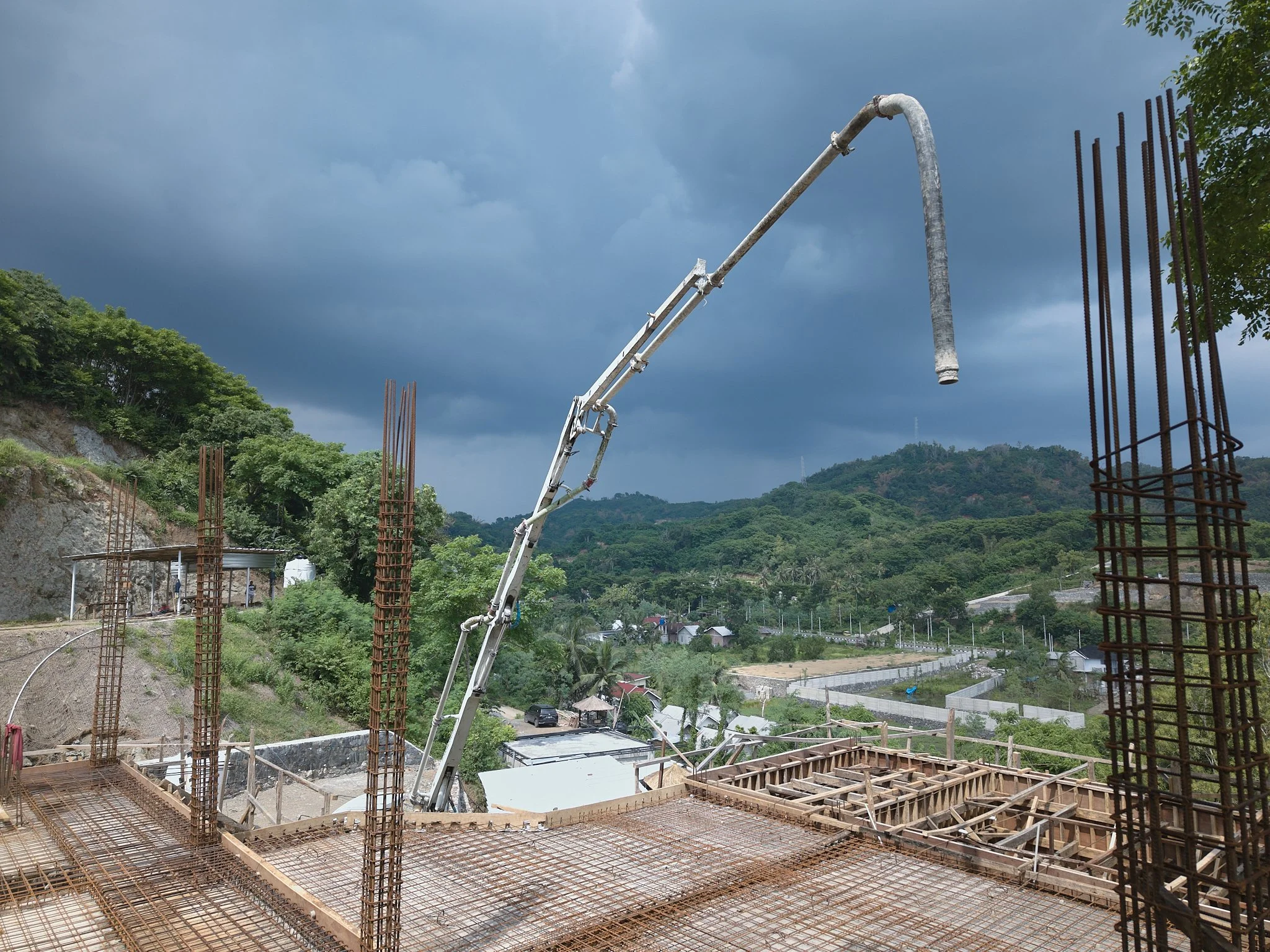
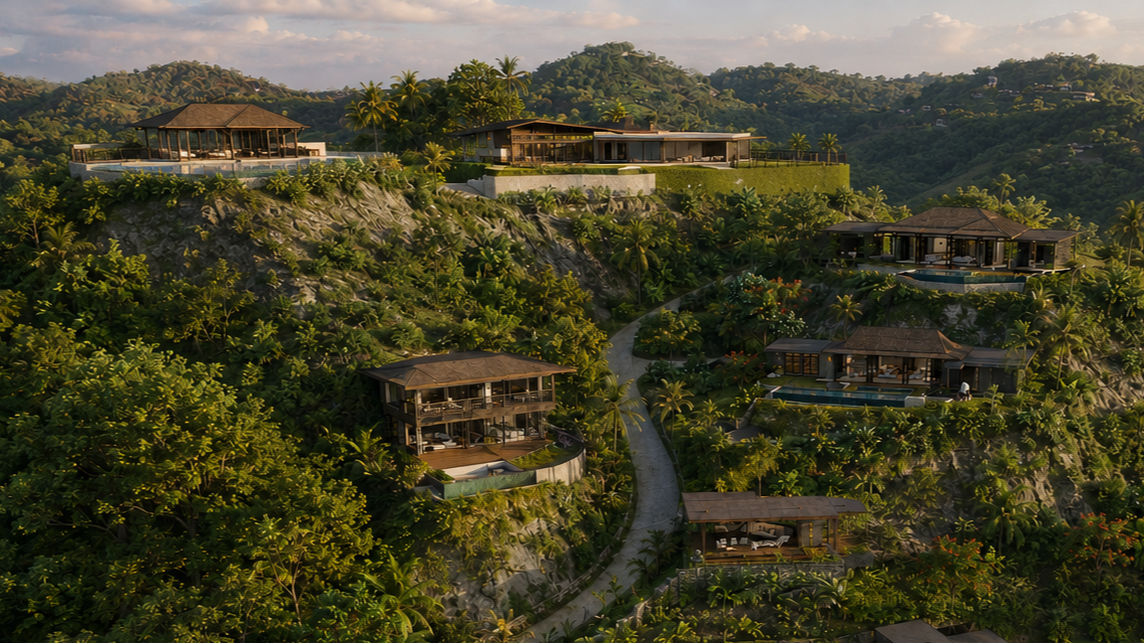
Before there were roads, retaining walls or villas, there was a simple shelter on a hillside.
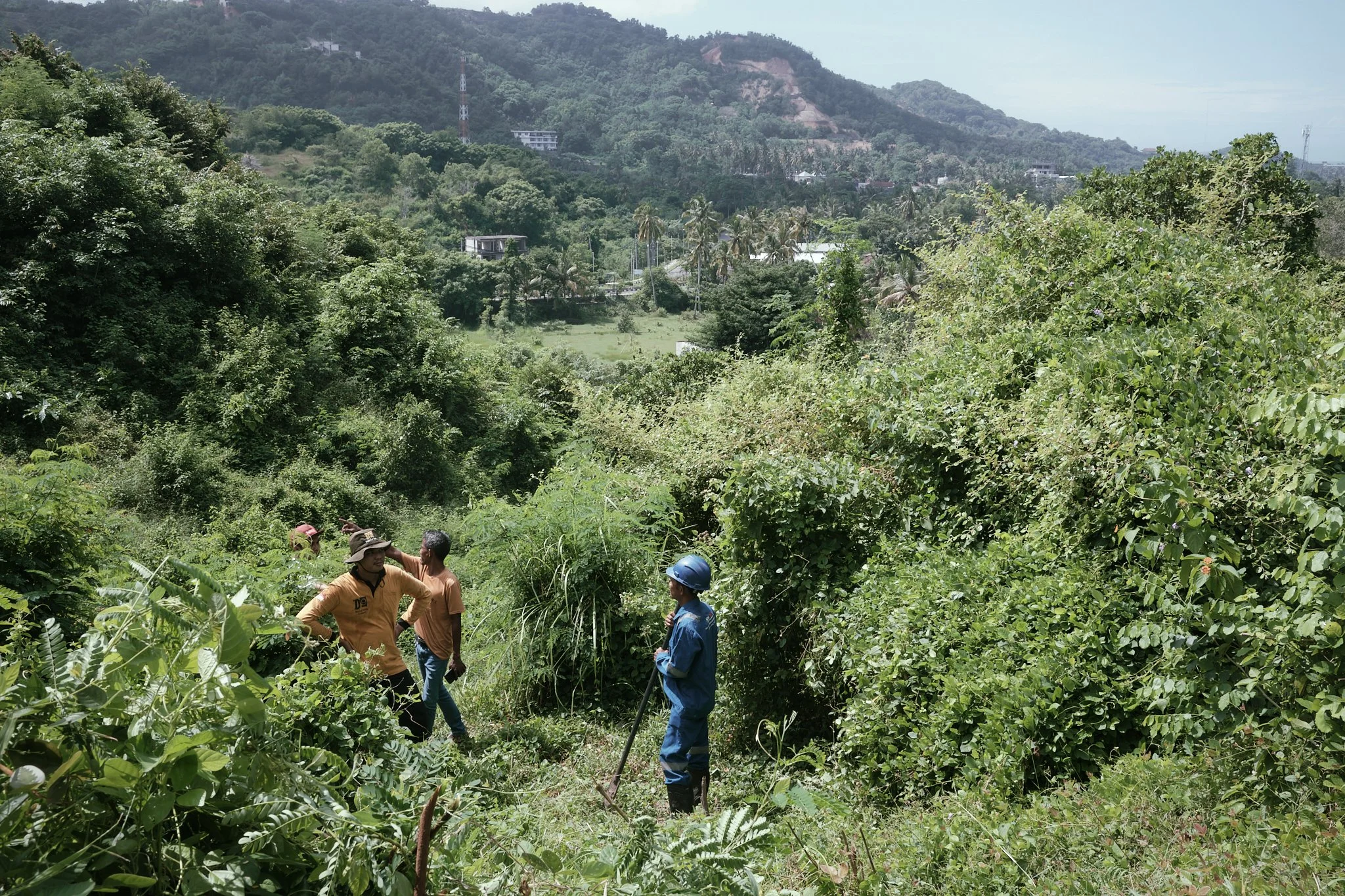
Once used for corn farming, the site was steep, overgrown and largely inaccessible. But from the highest point, the view stretched across the valleys of Kuta and out toward the coastline beyond.
It was here that the vision for INDAH began..
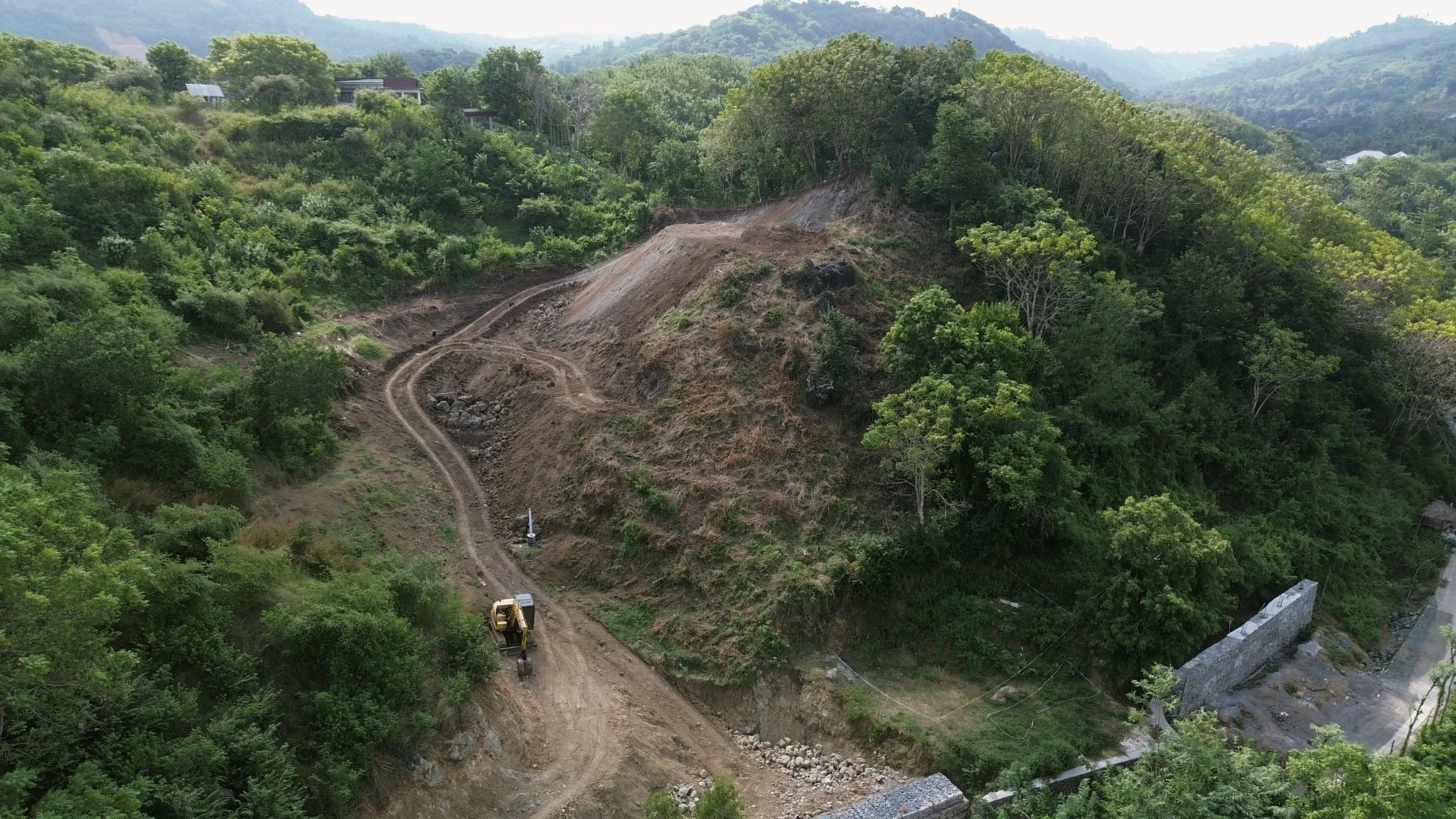
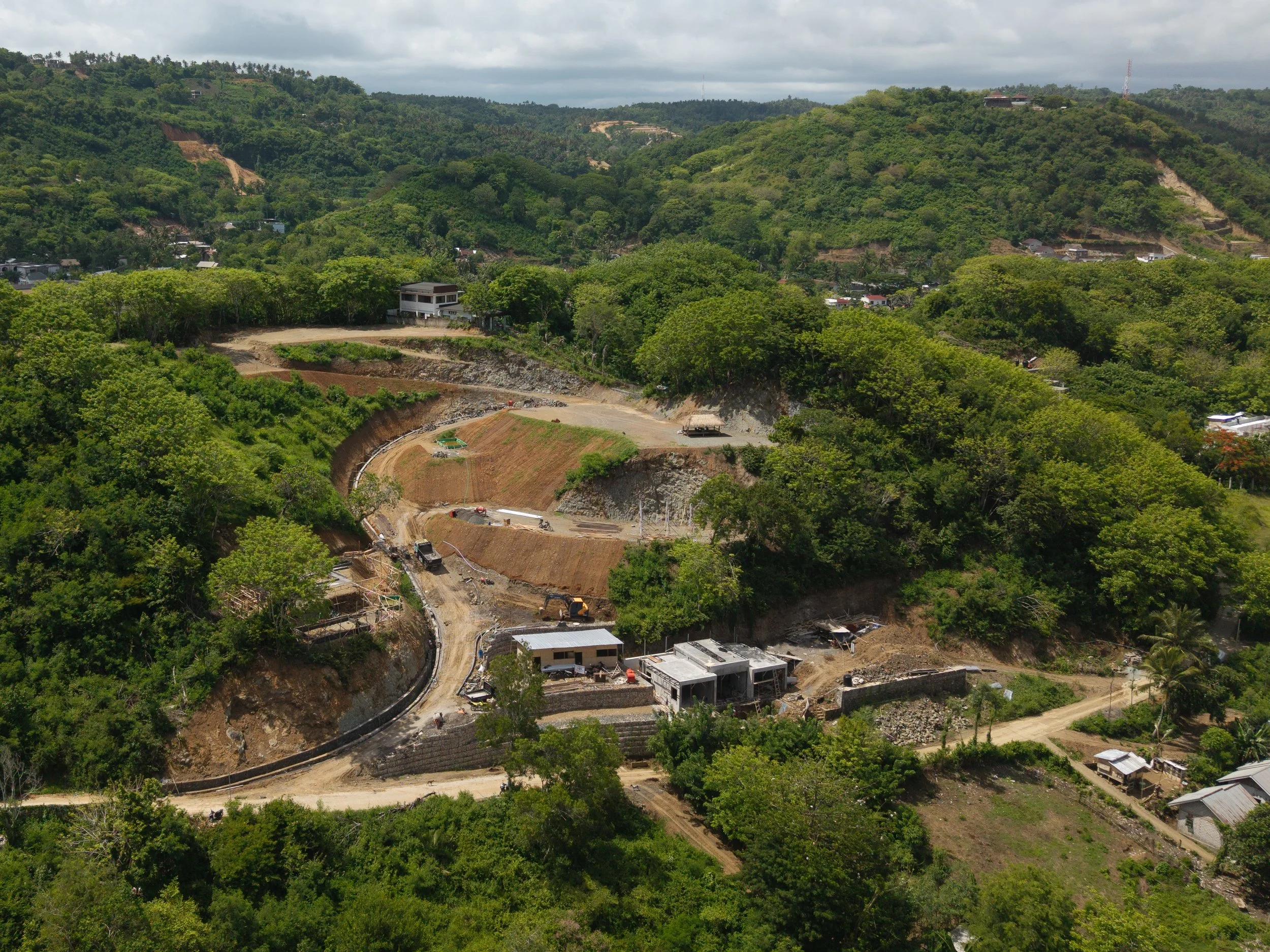
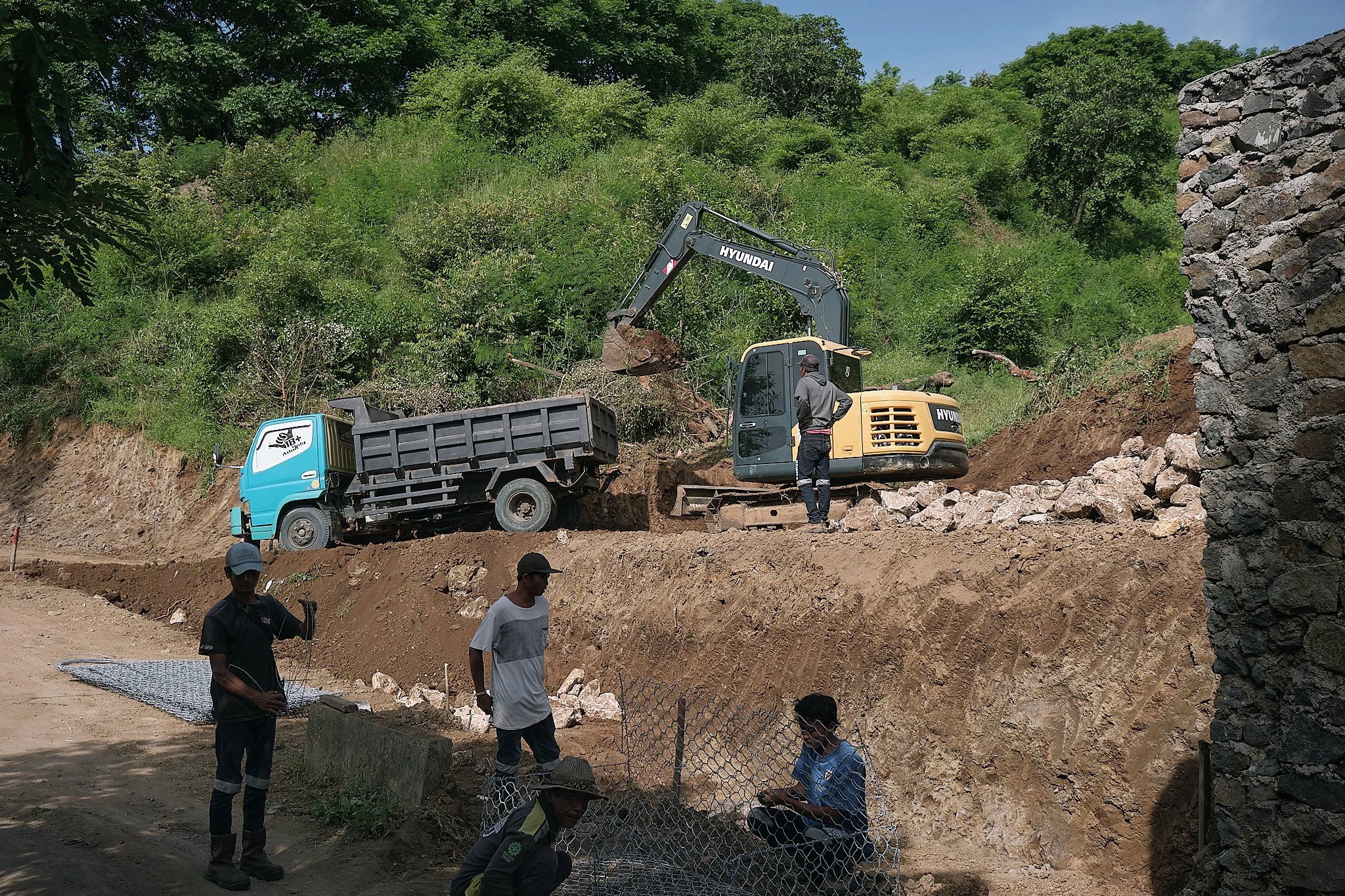
Shaping the land.
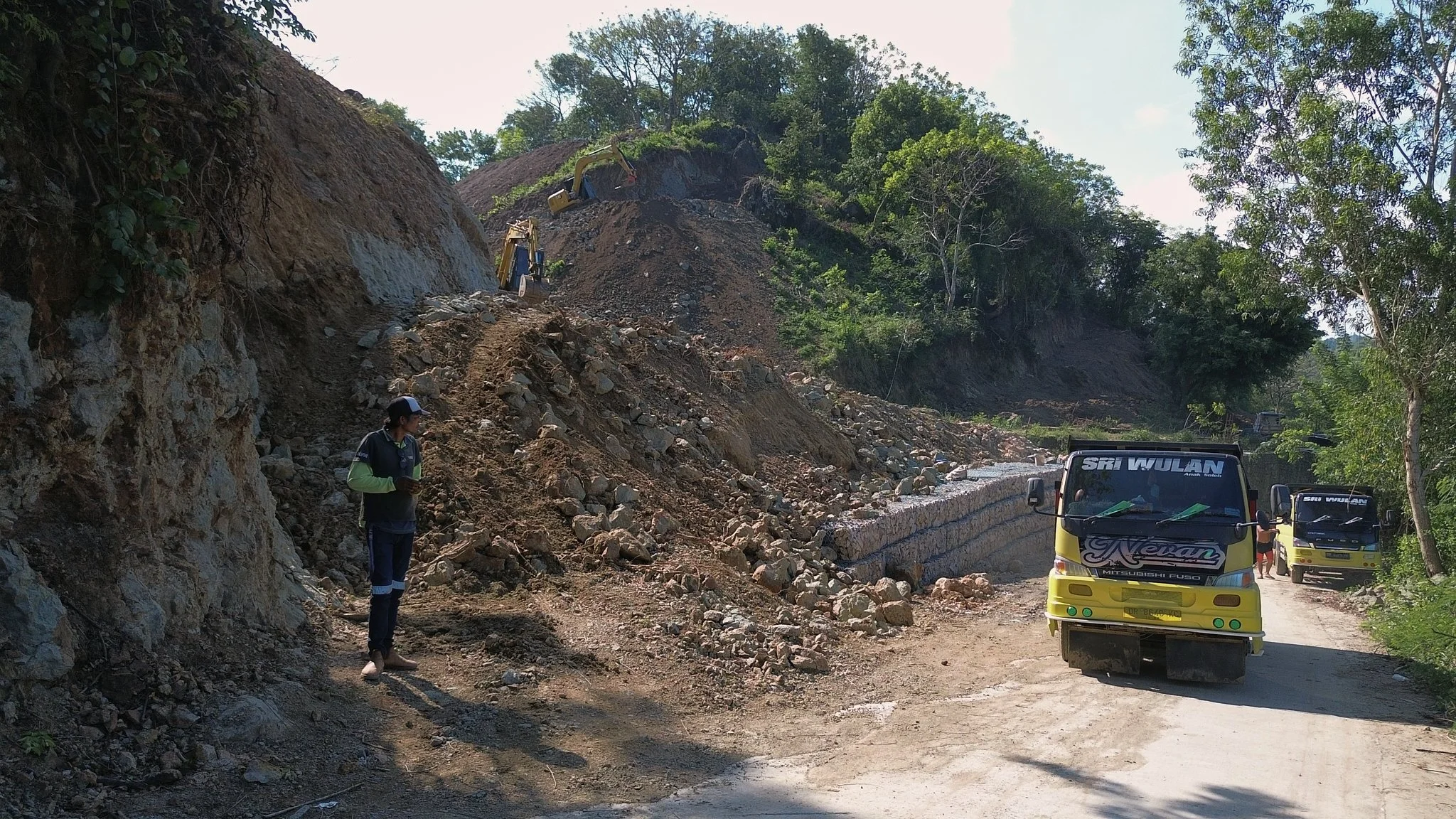
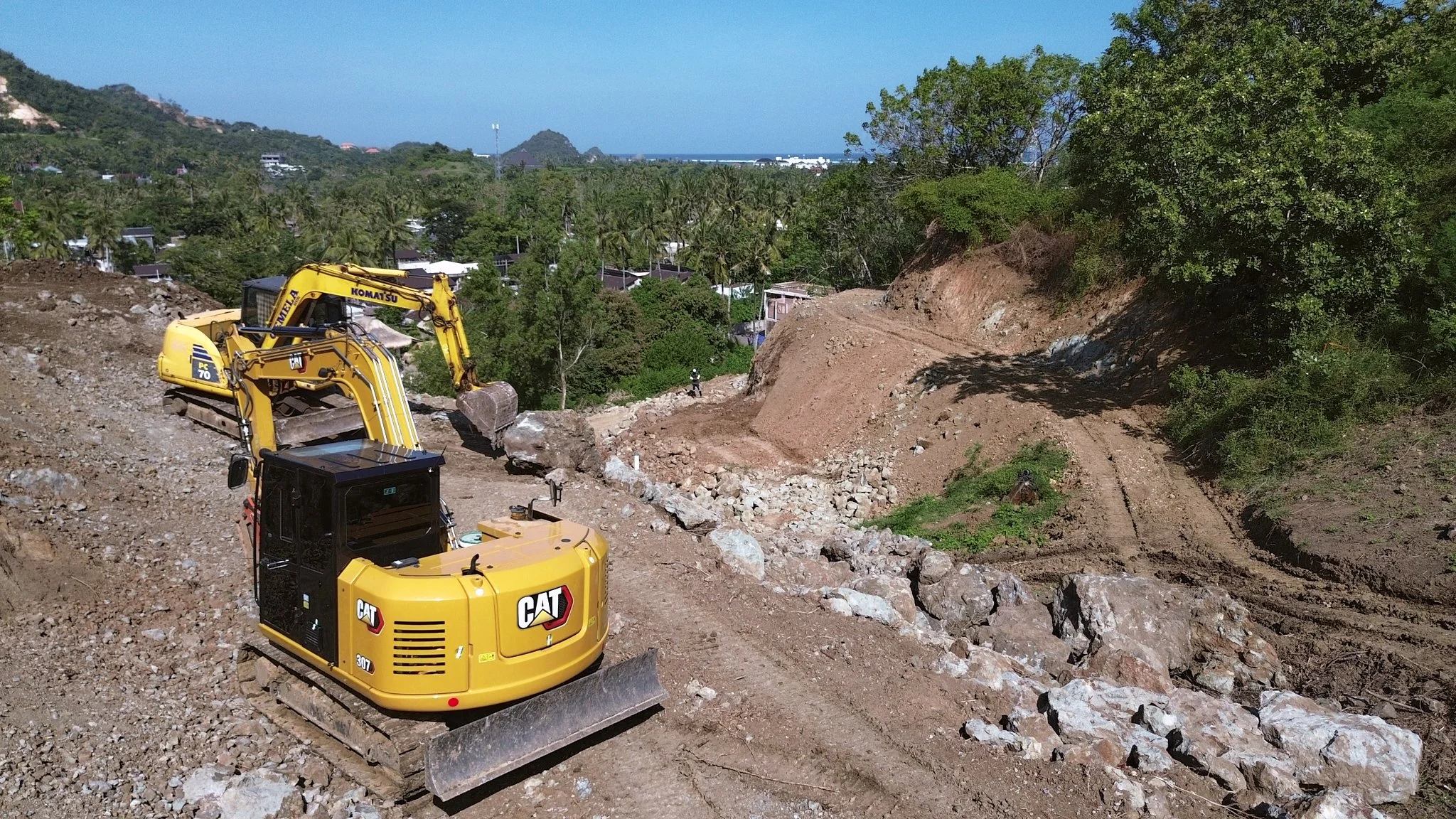
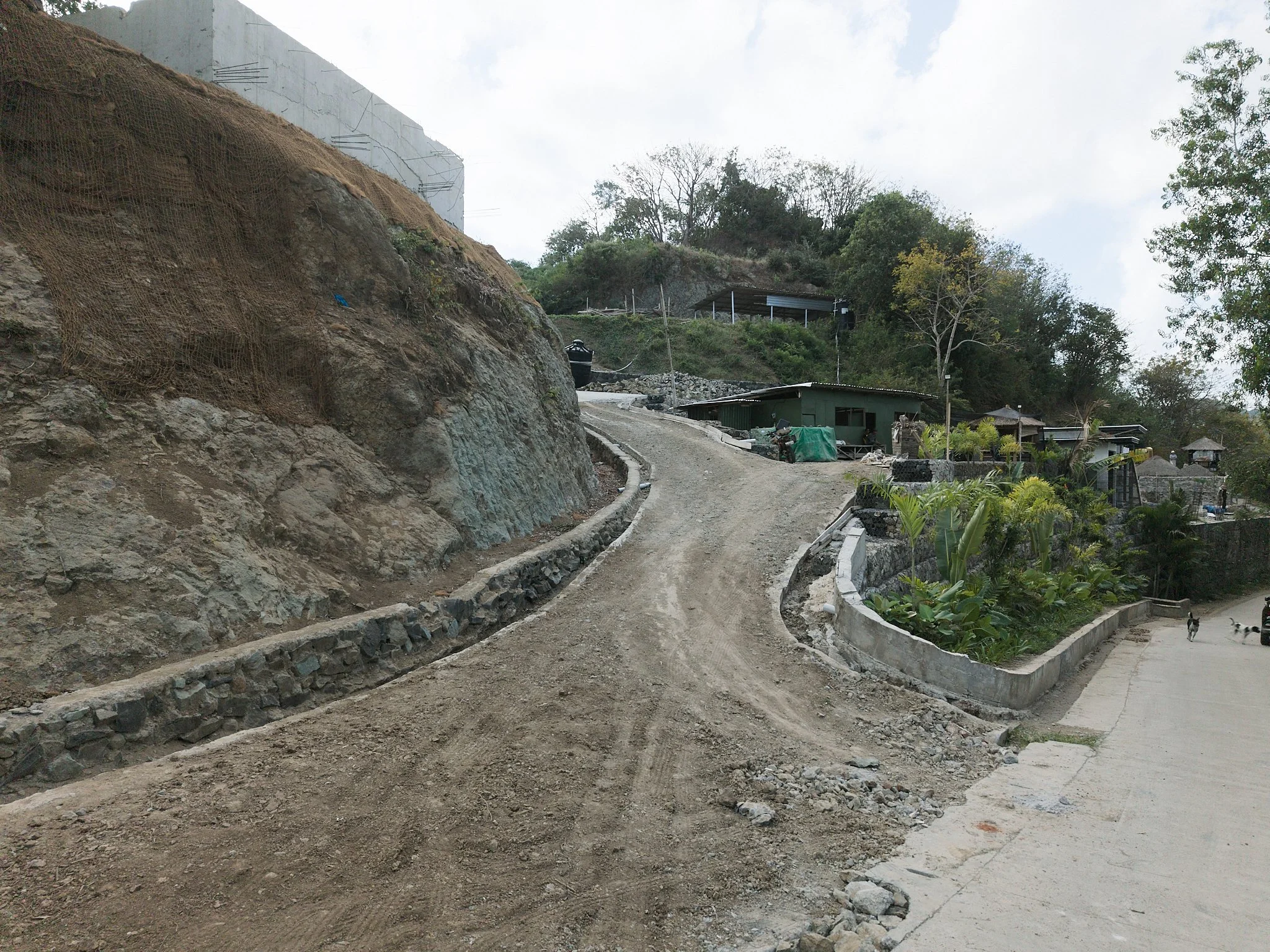
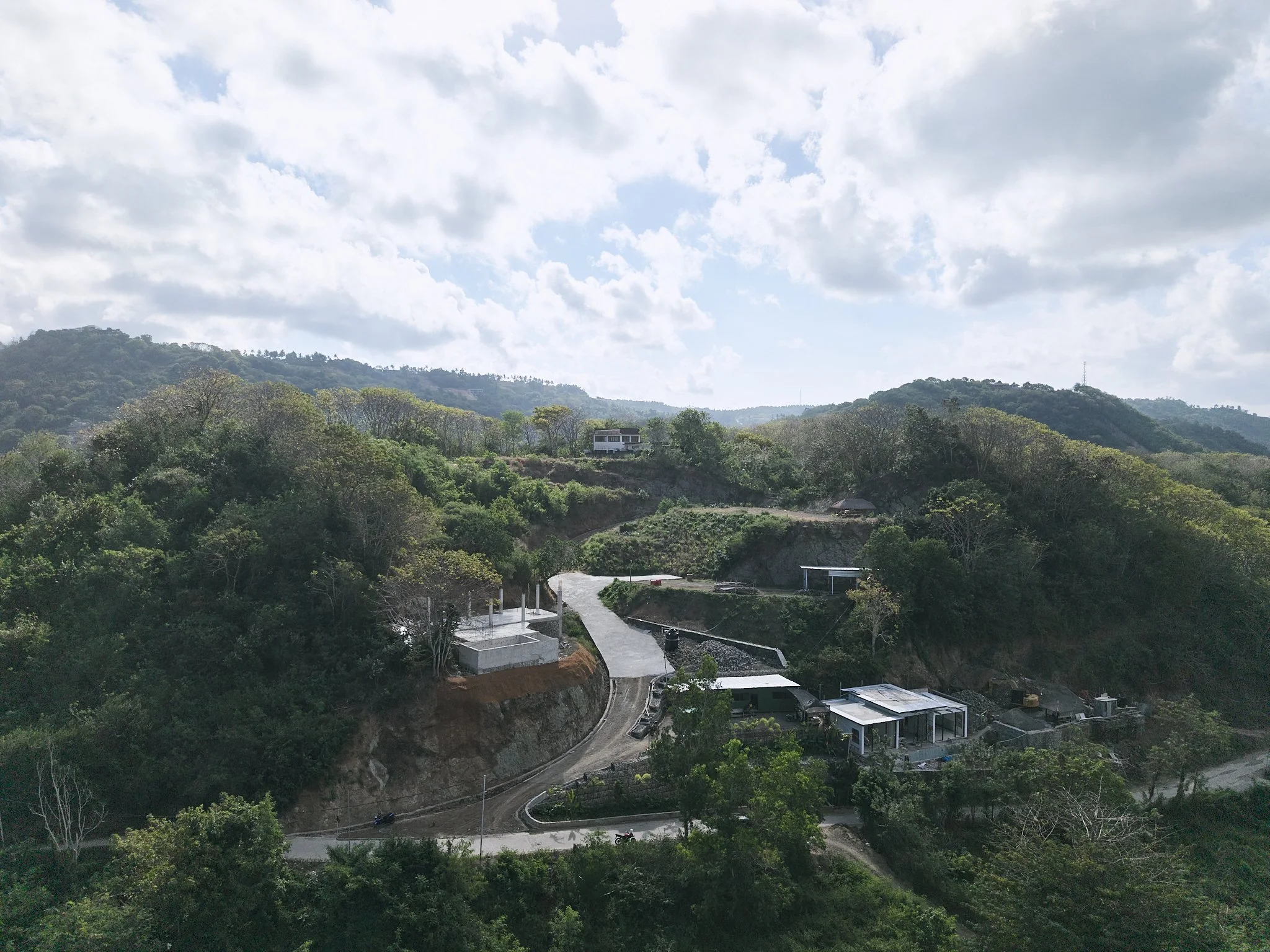
Over two years, the landscape was carefully sculpted.
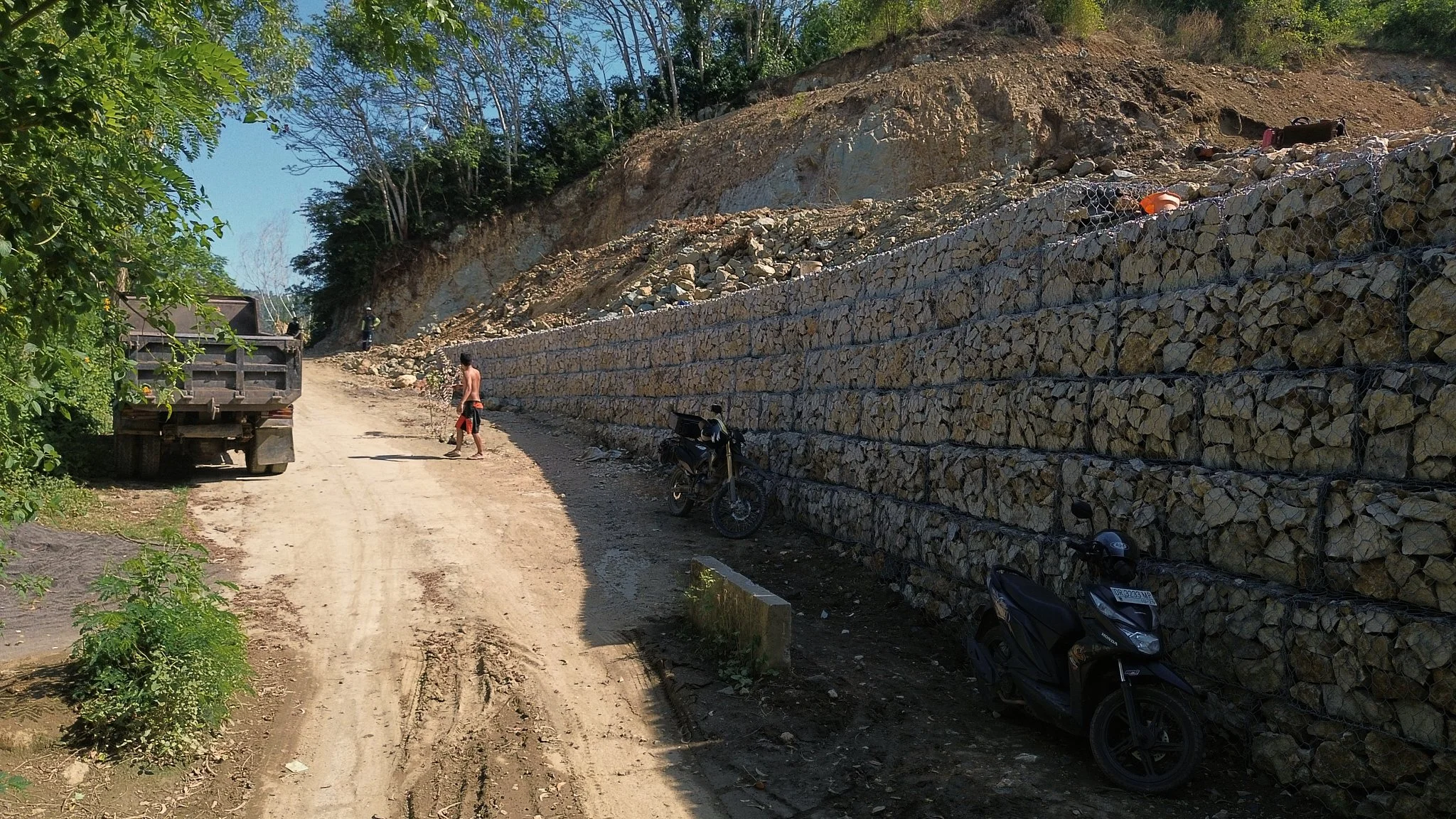
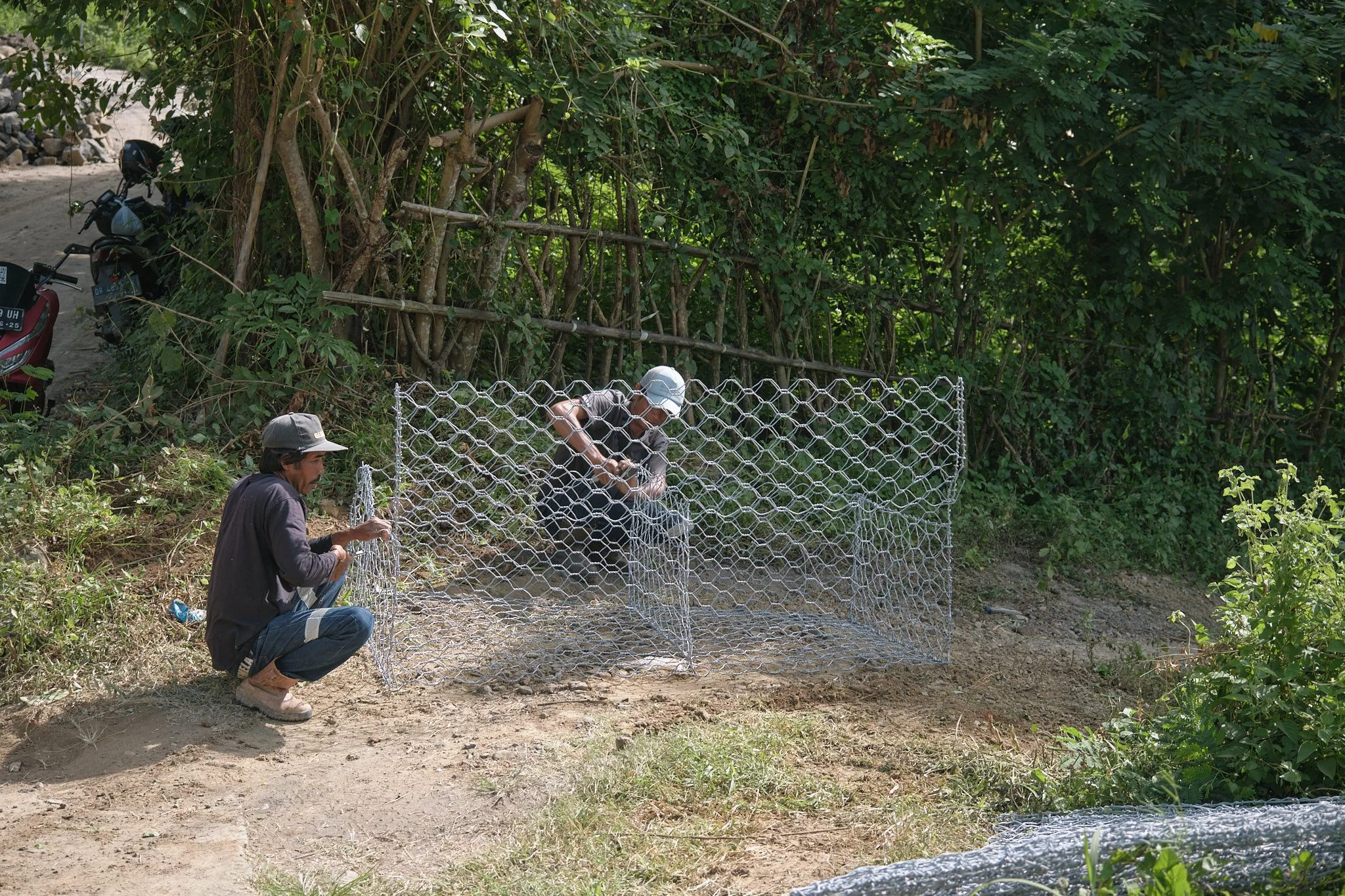
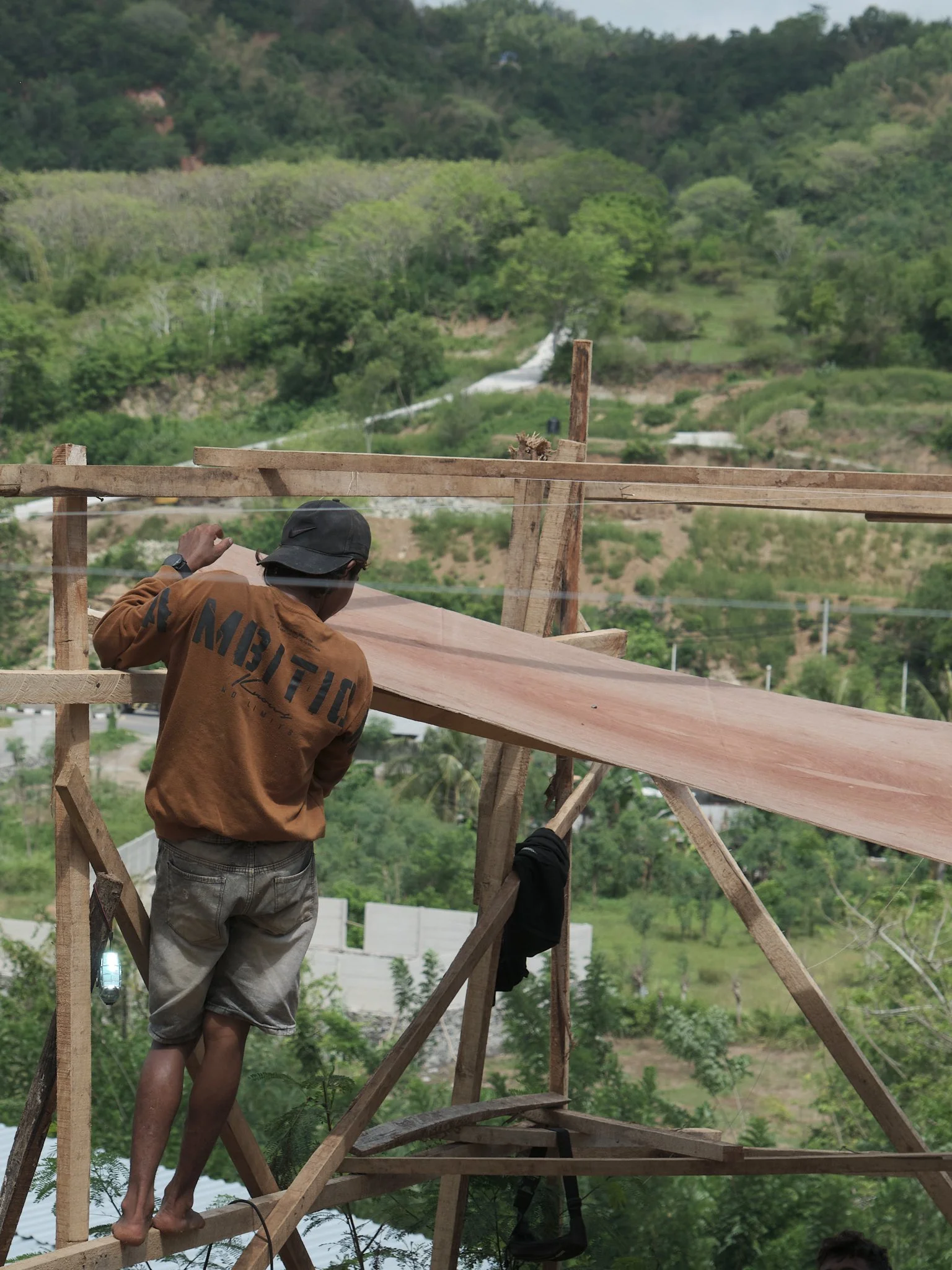
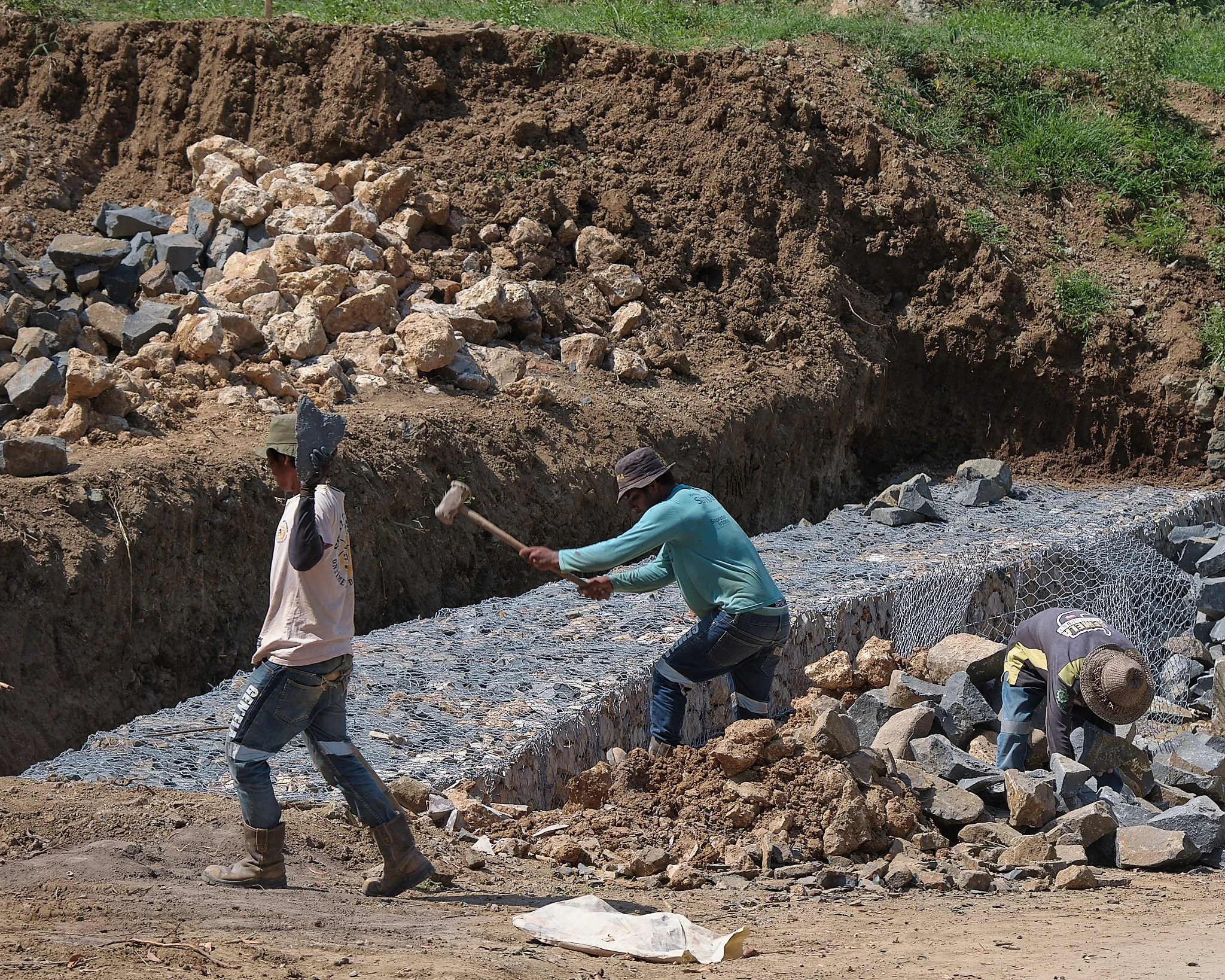
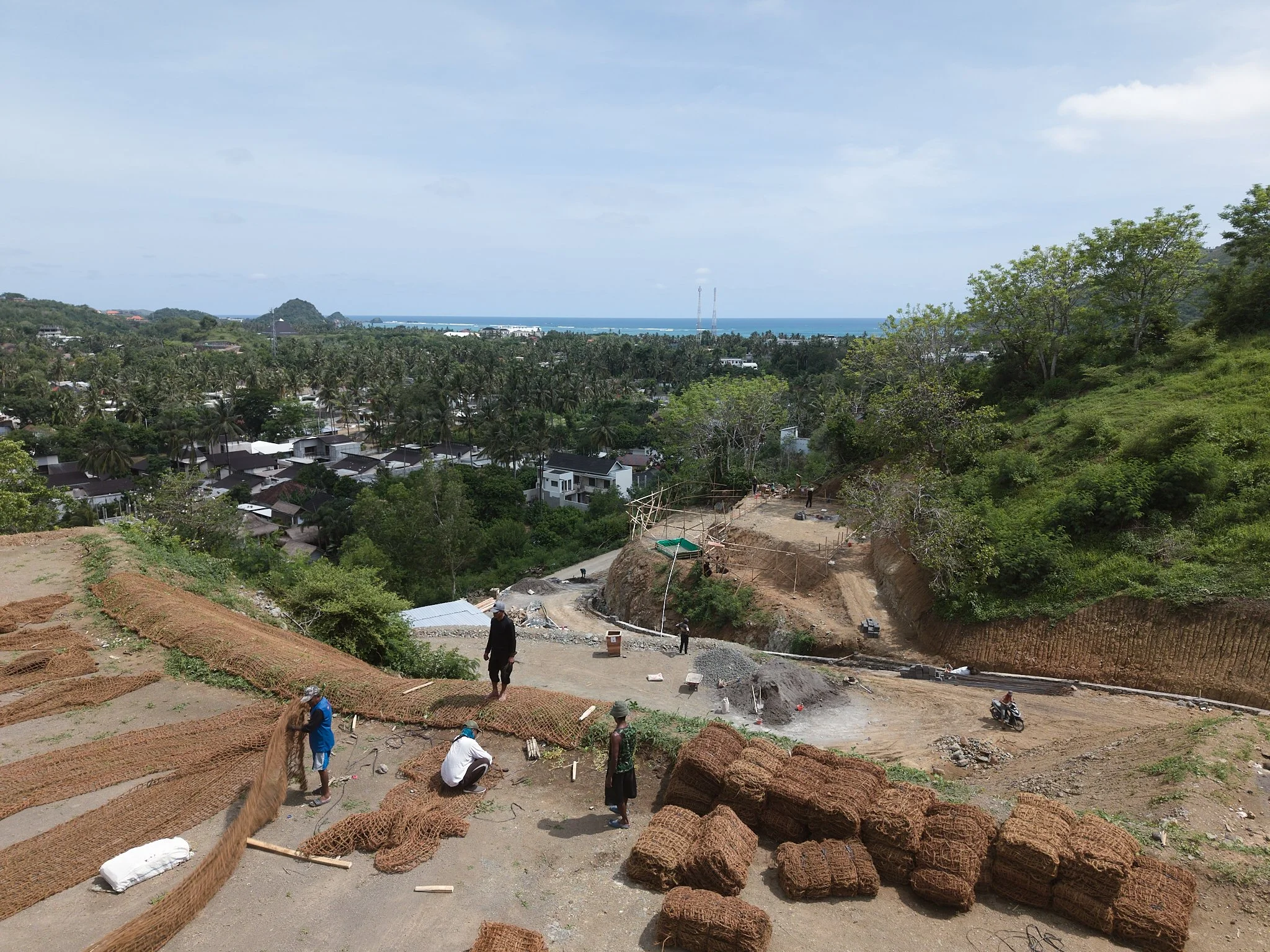
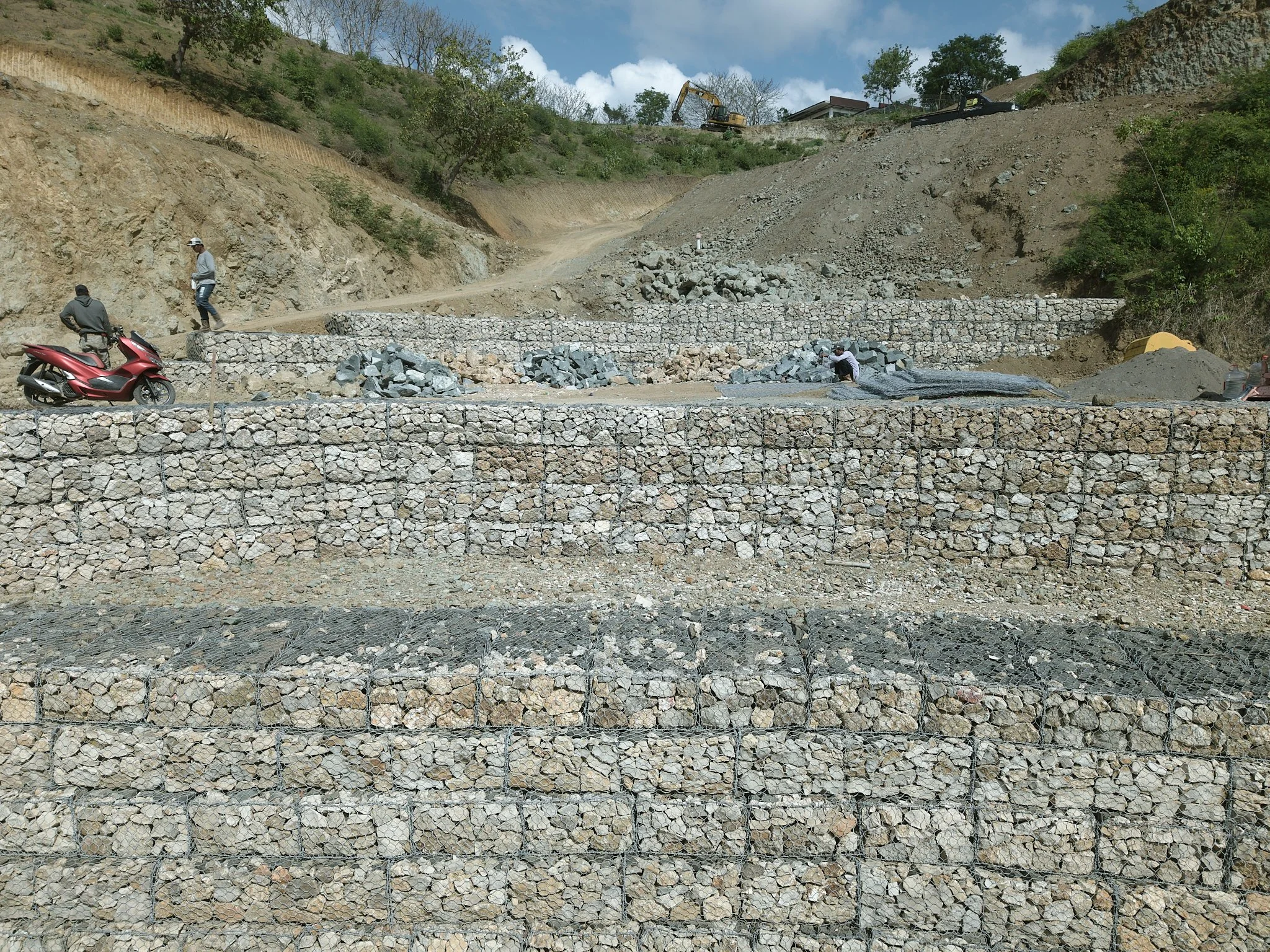
Roads were gently cut into the hillside. Hundreds of gabion baskets were installed. Infrastructure was brought to a site that previously had none.
Every step was guided by the terrain rather than imposed upon it.
Regenerating the landscape.
This hillside was once agricultural land.
Much of the native vegetation had long since been cleared, replaced over time by farming and unmanaged growth. The landscape remained productive, but it was no longer the diverse ecosystem it once was.
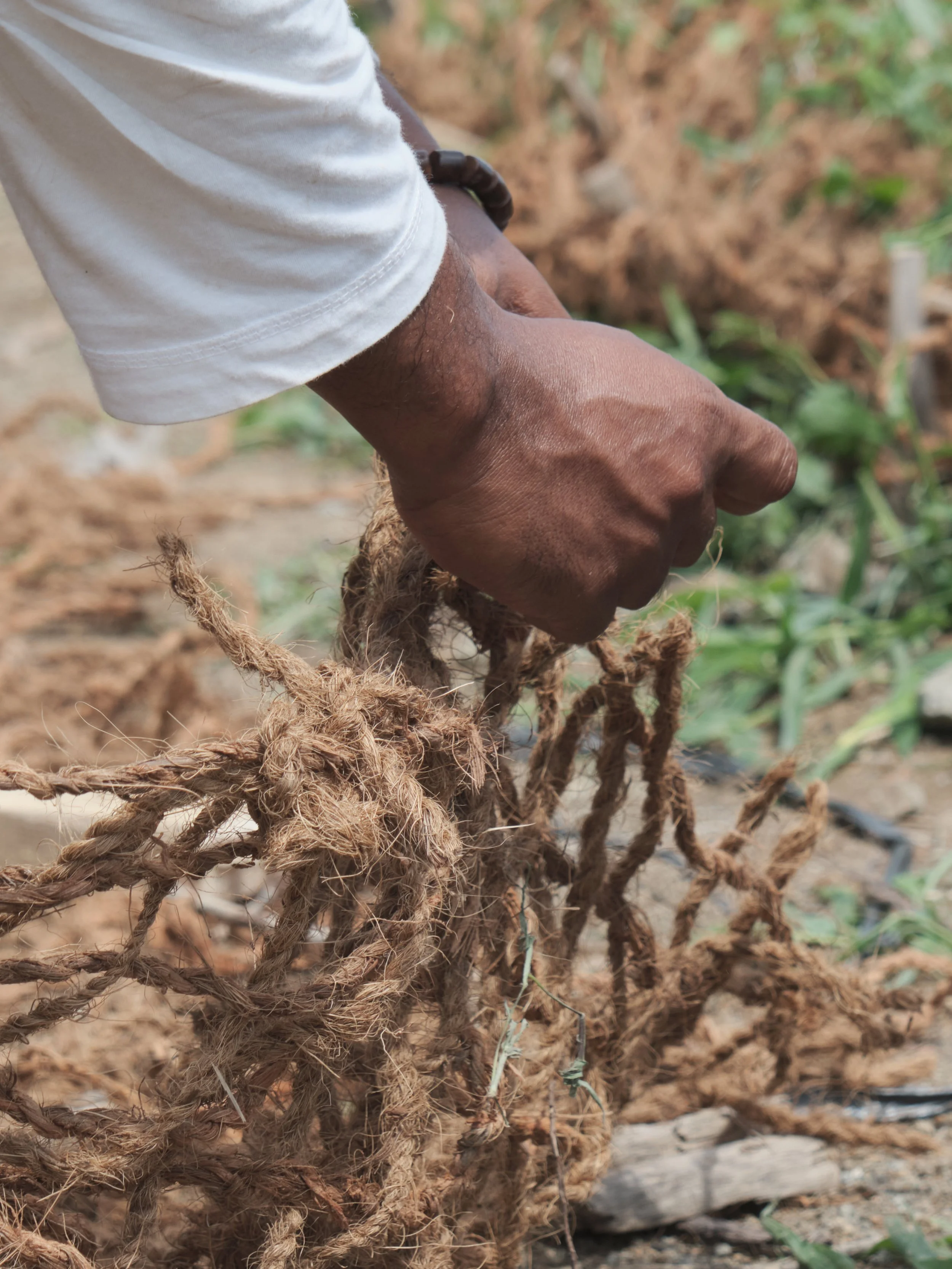
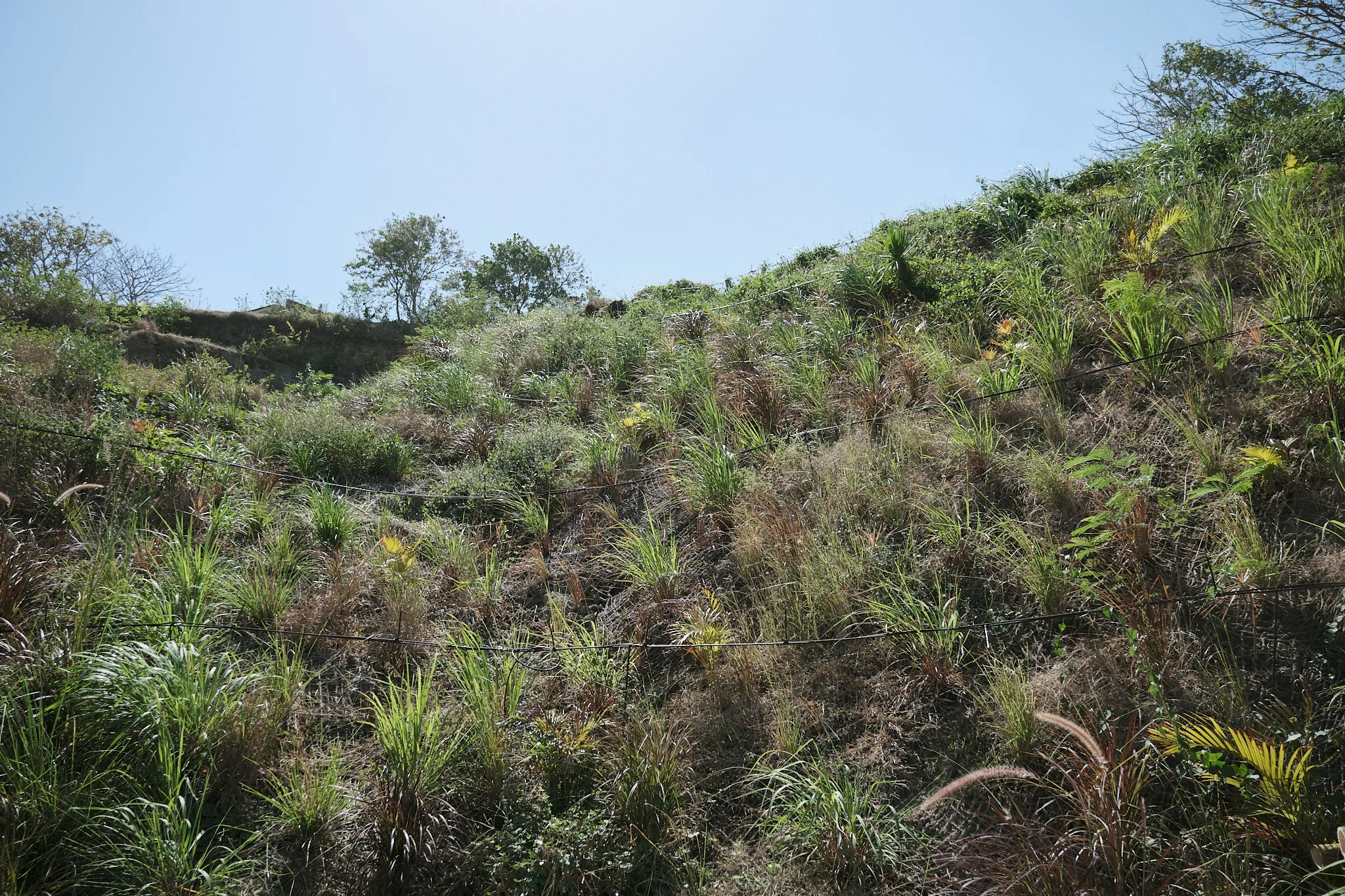
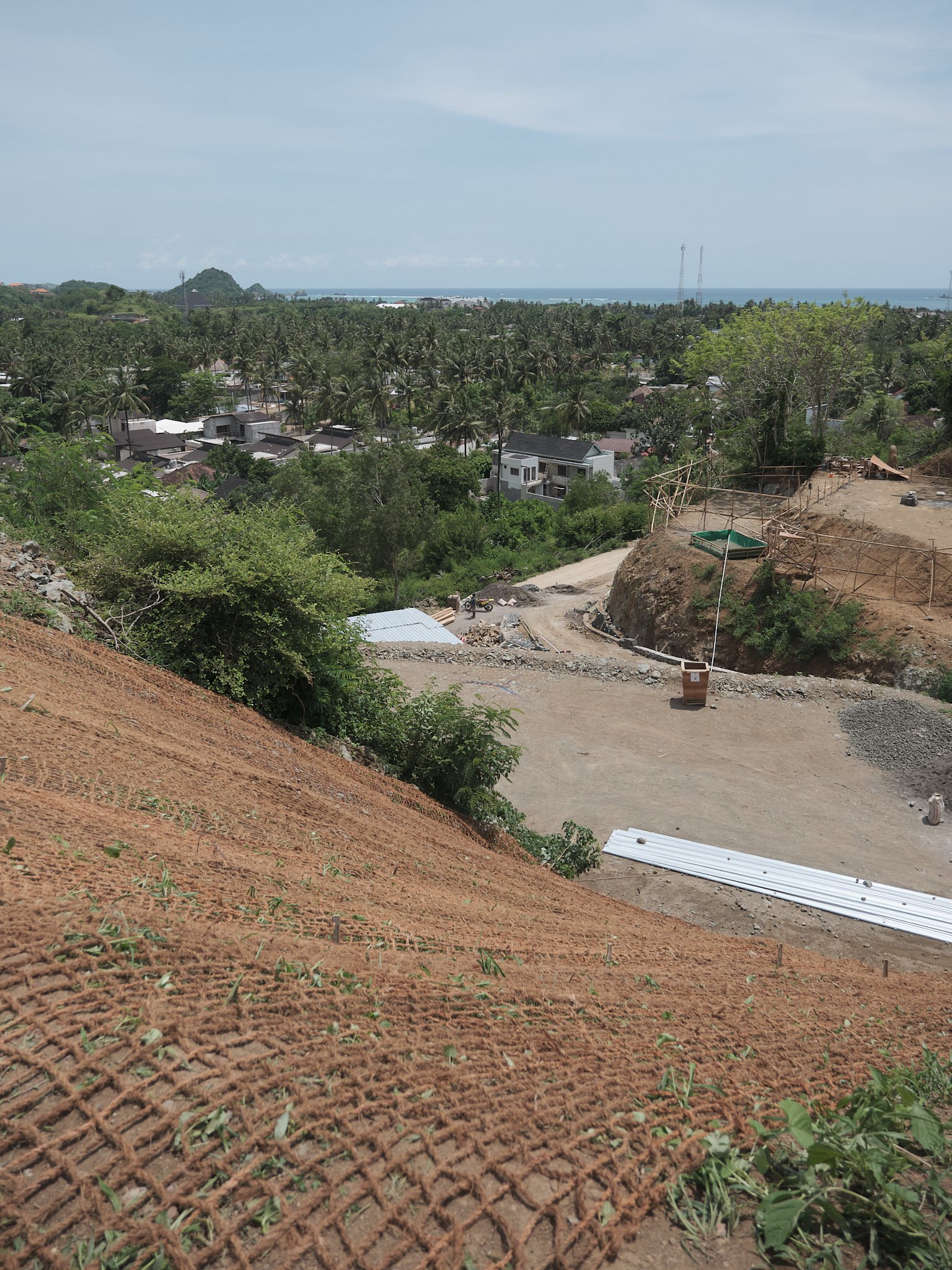
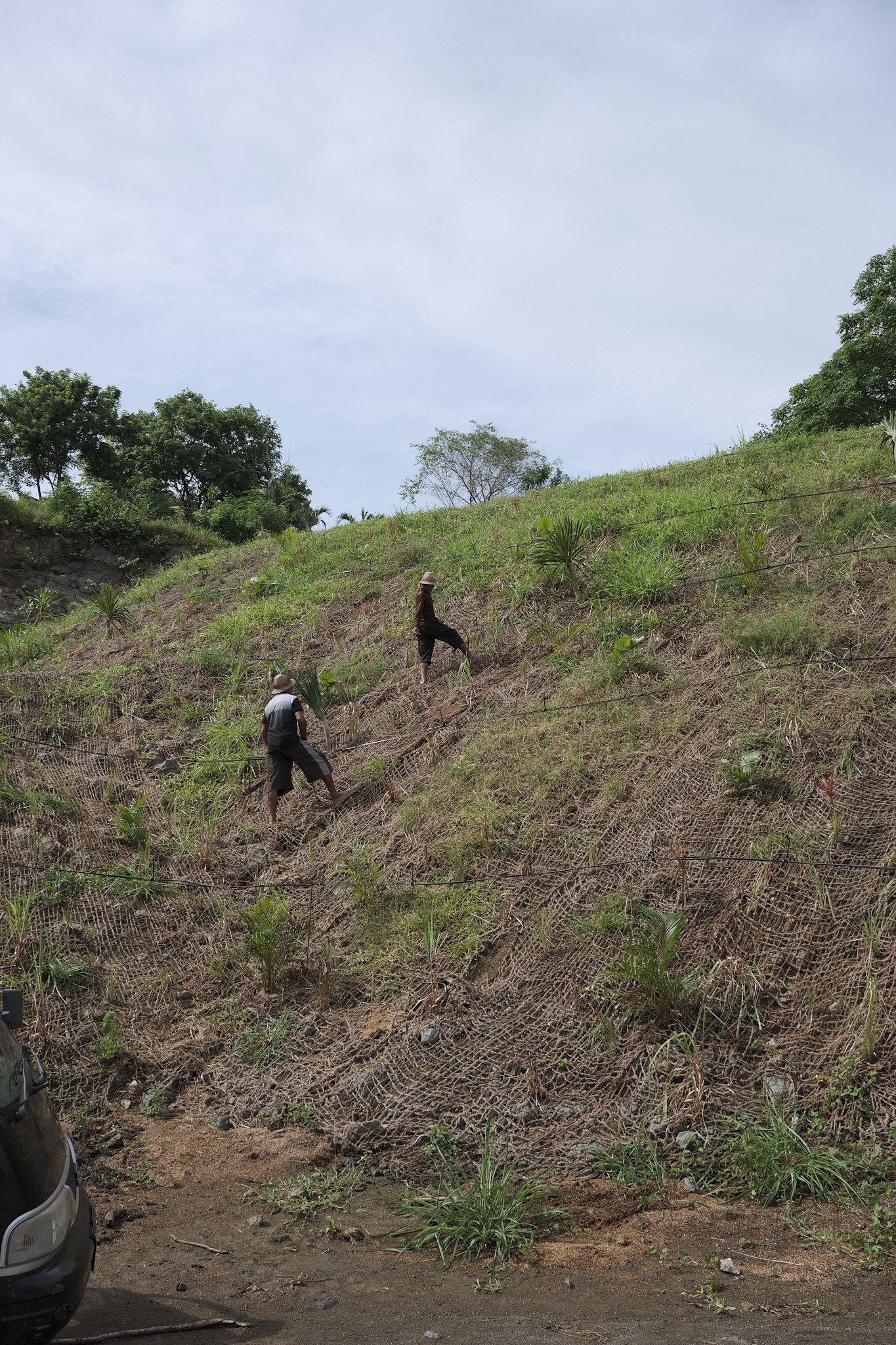
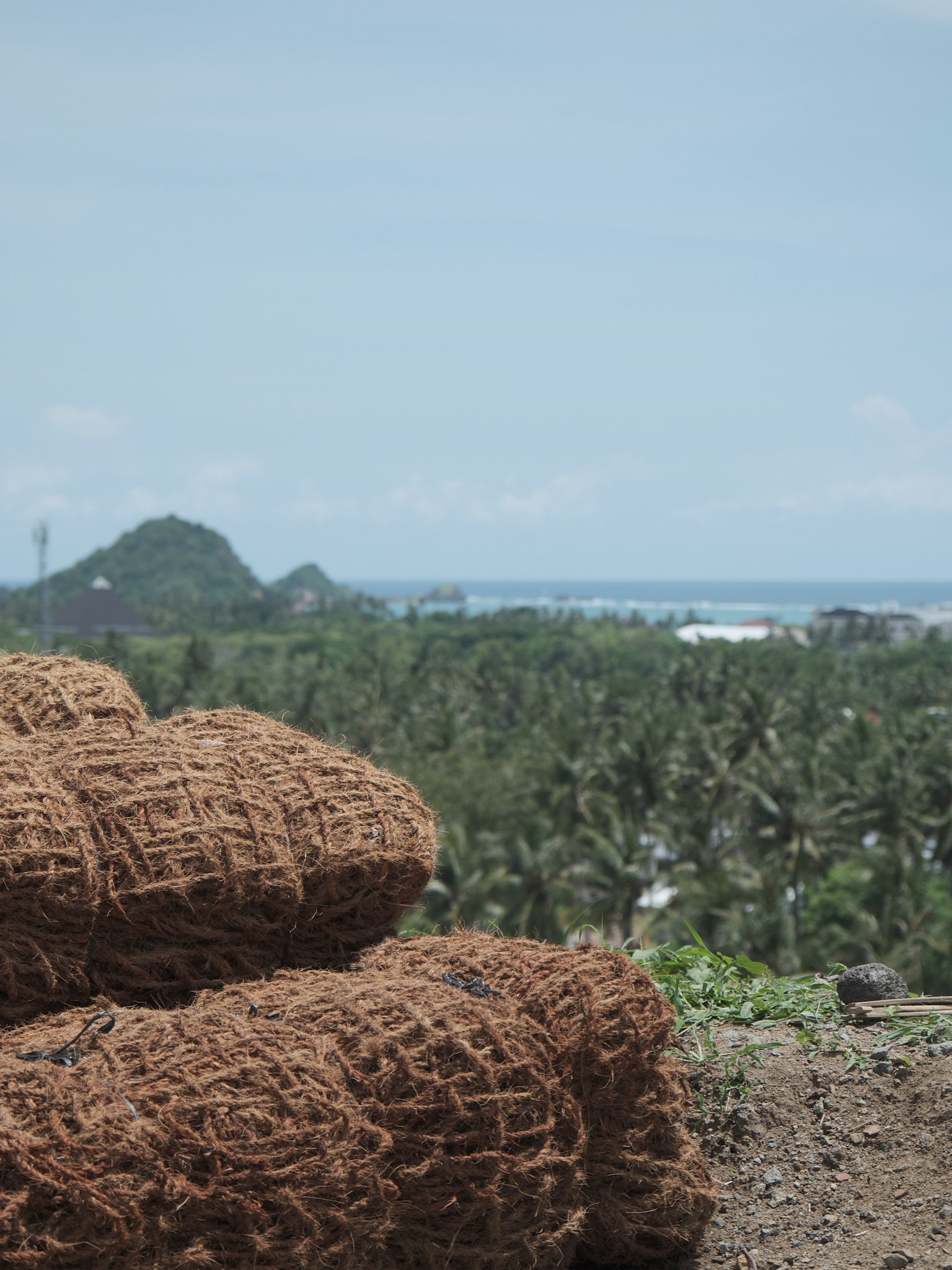
Thousands of square metres of cocomesh now protect exposed slopes while creating the conditions for new growth. Tens of thousands of vetiver, lemongrass, purple fountain grass and other species have been introduced to strengthen root systems, improve soil health and encourage long-term regeneration.
Already, signs of that regeneration are visible, with native vegetation returning and butterfly populations increasing across the site.

The art of restraint.
The original masterplan proposed twenty-one residences. As our understanding of the land evolved, that number fell.
Twenty-one became twelve. Twelve became nine. Nine became six.
Today, only five remain.
Not because the land could not accommodate more, but because it did not need to.
Less, but better.
INDAH is guided by a simple belief:
The same discipline that reduced twenty-one residences to five shapes every home we create.
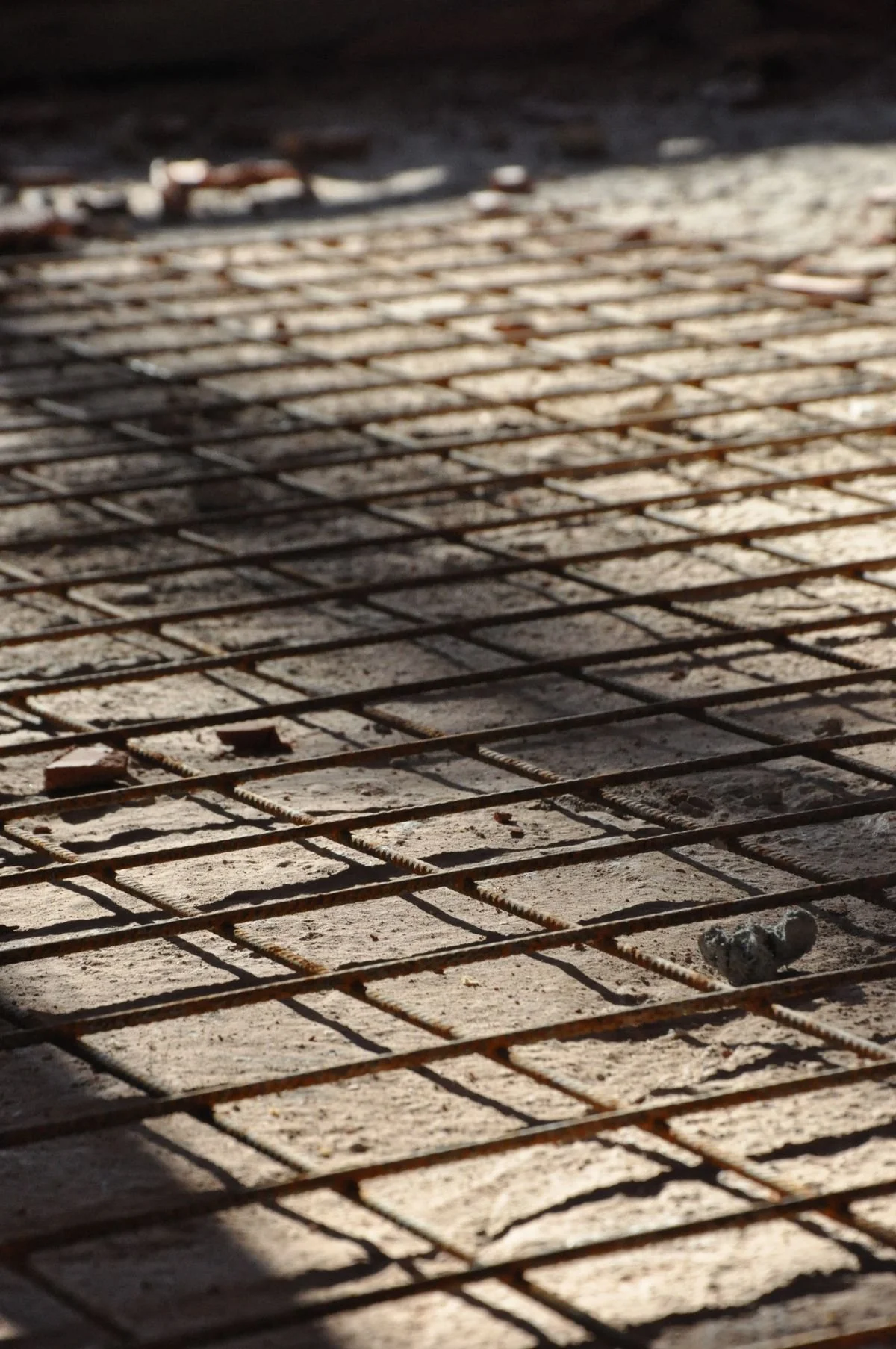
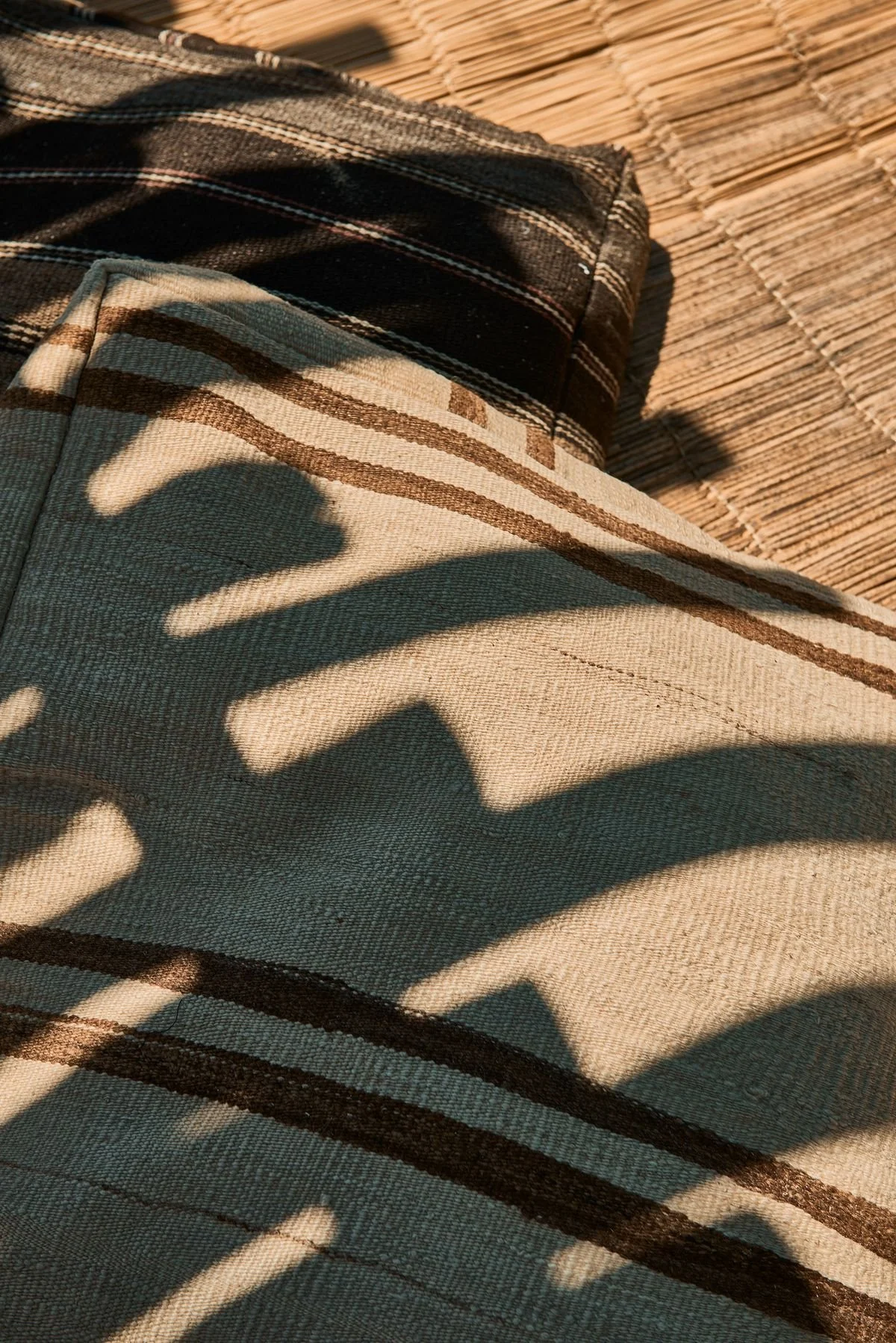
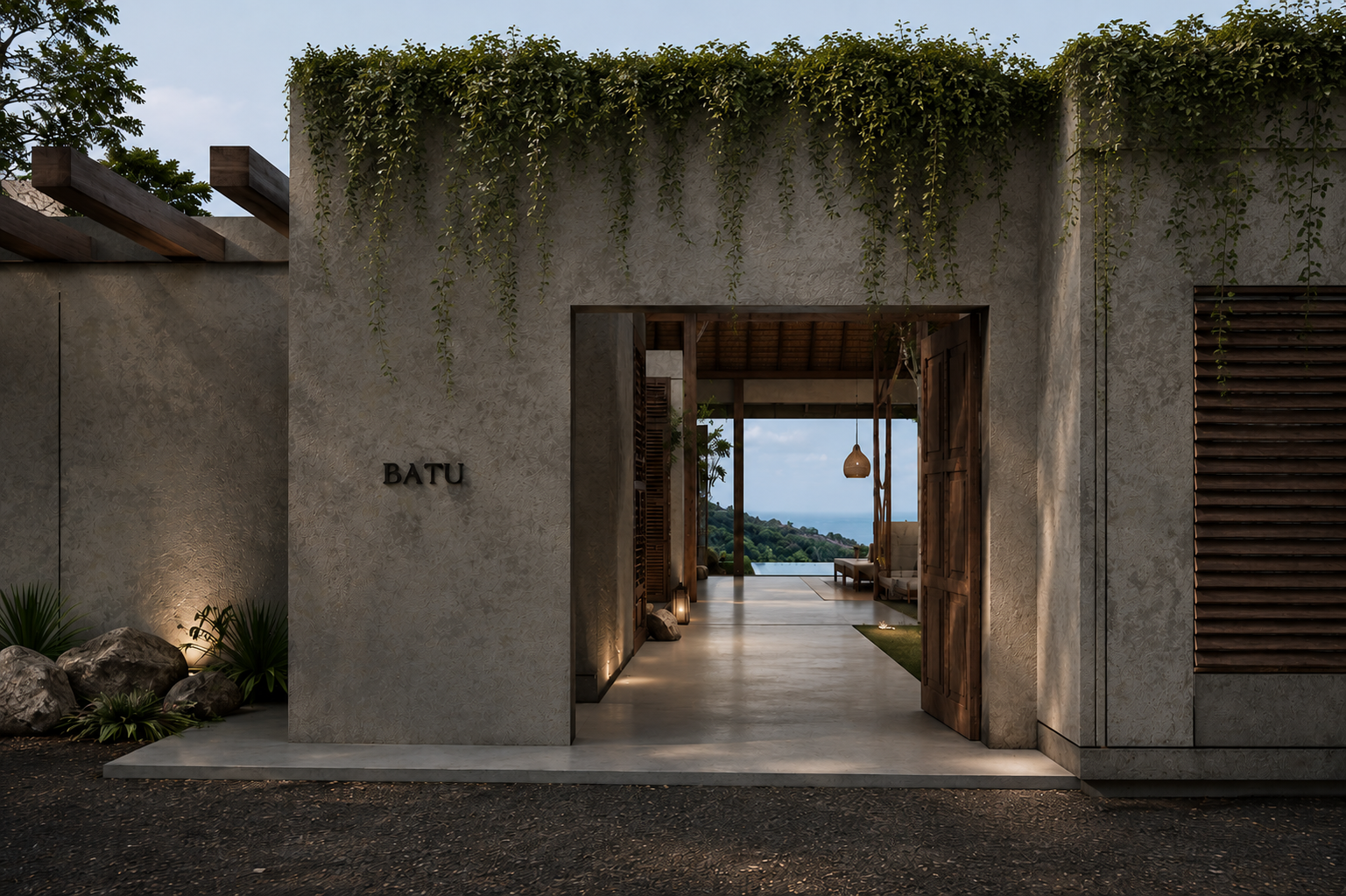
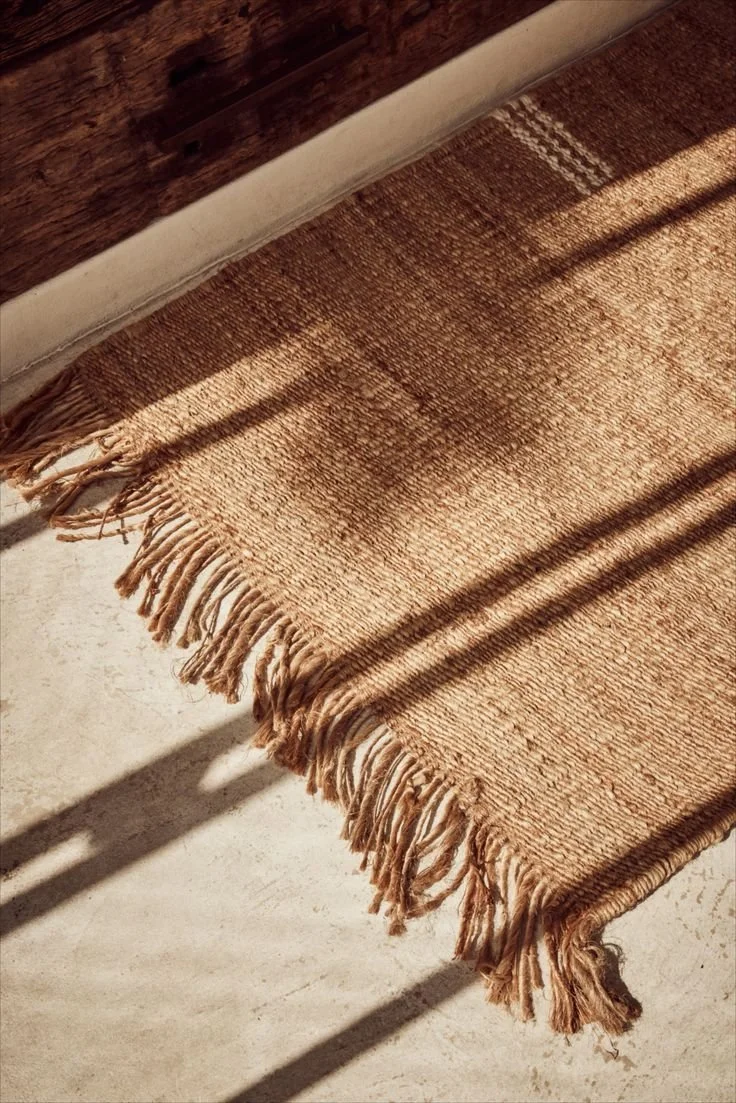
Raw concrete. Warm timber. Natural stone.
Fewer distractions. More calm.
Every line, proportion and material must justify its presence.
Nothing added for effect.